
What to see in Casco Antiguo, Panama City: a complete guide
Colonial squares, 17th-century churches and the best rooftops in the city. Everything worth seeing in Casco Antiguo, a UNESCO World Heritage Site.
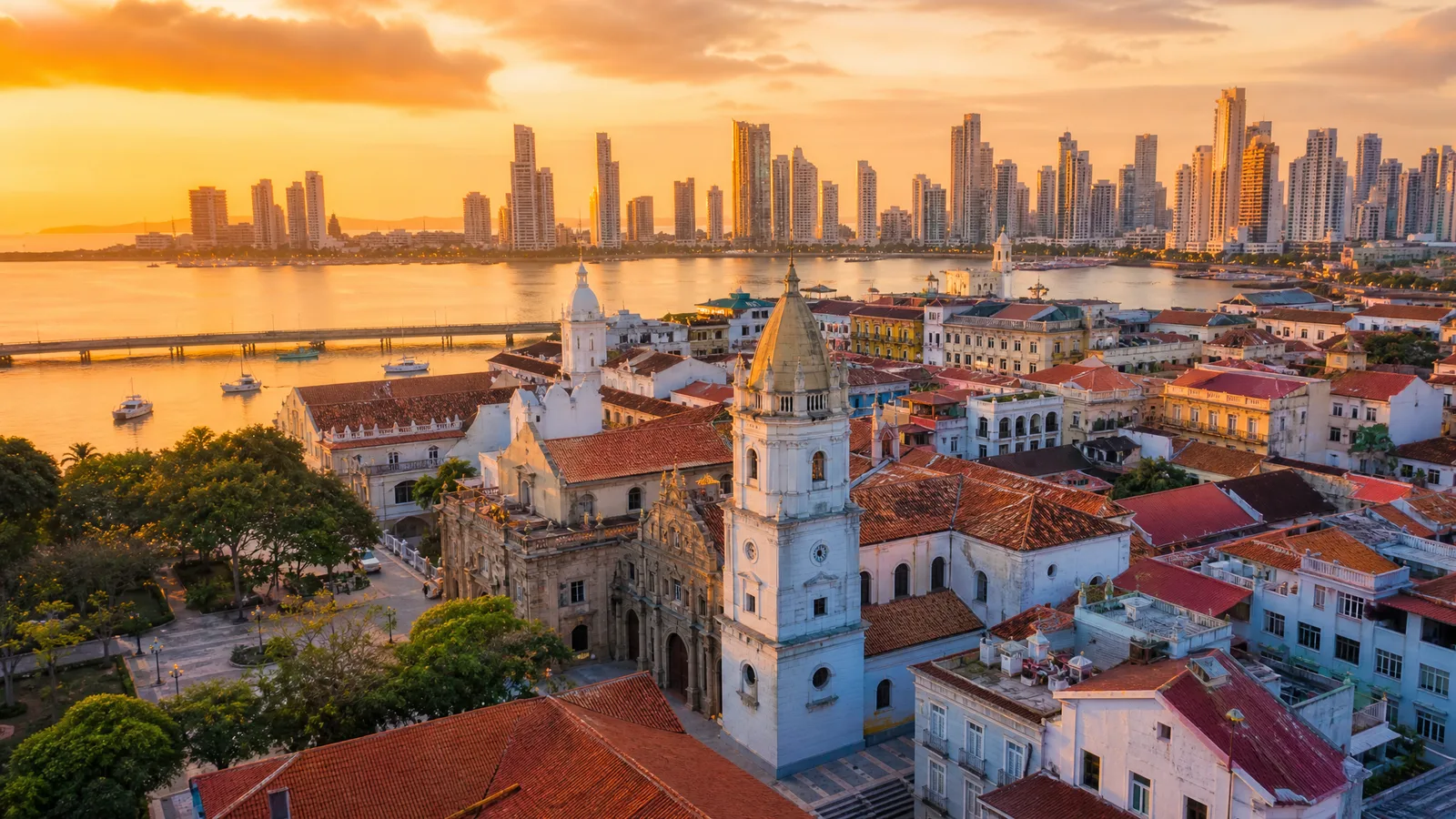
Casco Antiguo is the historic heart of Panama City and probably the place where you understand the country best in just a few hours. Founded in 1673 after the pirate Henry Morgan razed the original city, today it is a UNESCO World Heritage Site, packing colonial churches, squares with century-old trees, signature restaurants and the city's best terraces into barely fifteen blocks.
What makes Casco special is the contrast: from its wrought-iron balconies you can see, across the bay, the skyscraper skyline of modern Panama. Two centuries apart in the same photograph.
The squares: where to start
Plaza de la Independencia is the natural starting point. Here stands the Metropolitan Cathedral, its two stone towers inlaid with mother-of-pearl shells brought from Panamá Viejo, and it was in this square that separation from Colombia was proclaimed in 1903.
A few minutes' walk away is Plaza de Francia, dedicated to the French who attempted to build the canal before the Americans. Its plaques tell a harsh story: more than twenty thousand workers died of malaria and yellow fever in that failed attempt. From the Las Bóvedas promenade, atop the old walls, you get the best view of the Bridge of the Americas.
Churches worth a stop
- San José Church and its Golden Altar: legend says the monks painted it black so Morgan would not steal it.
- Santo Domingo Church and Convent, with the famous Flat Arch that stood for centuries without support.
- La Merced Church, moved stone by stone from Panamá Viejo.
- The Metropolitan Cathedral, fully restored and reopened for the Pope's visit in 2019.
Eating in Casco
The neighbourhood's food scene has grown enormously in the last decade. At the Seafood Market, five minutes away, you can have the best ceviche in the city for under five dollars. Within Casco, traditional fondas sit alongside restaurants reinterpreting Panamanian cooking, and the Chocolate Museum lets you taste single-origin Panamanian cacao.
Tip: book dinner in advance at weekends. Casco restaurants fill up, especially in the dry season.
The rooftops, the evening plan
When the sun goes down, life in Casco moves up to the rooftops. Some terraces look onto the cathedral, others face the skyline, and a few have live music. This is when the neighbourhood shows its most cosmopolitan side, and it is worth booking with a guide if it is your first time: knowing which ones open each day and which suits the atmosphere you want makes all the difference.
How to visit
Casco is walked: it is the only way to appreciate it. Allow two to three hours for the essentials, and a full afternoon if you want to visit the museums and stay for dinner. Wear comfortable shoes — the cobblestones are punishing — and bring sunscreen. Most city tours include it along with the Miraflores Locks and the Amador Causeway.
If you are only here for a few days, the most practical approach is to combine it with the rest of the city in a single tour and keep the evening free for the rooftops.


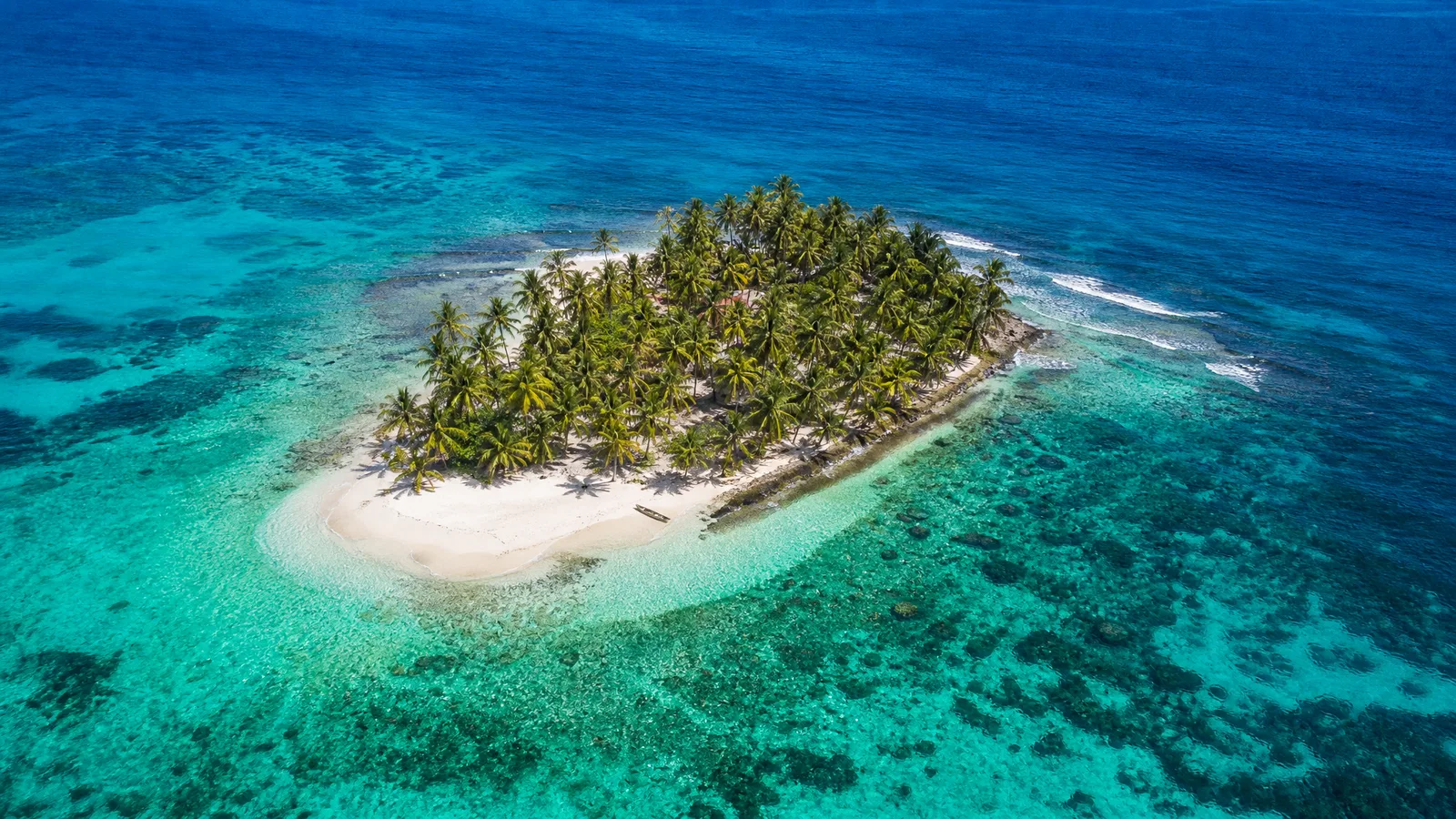 San Blas (Guna Yala): a guide to visiting the archipelago
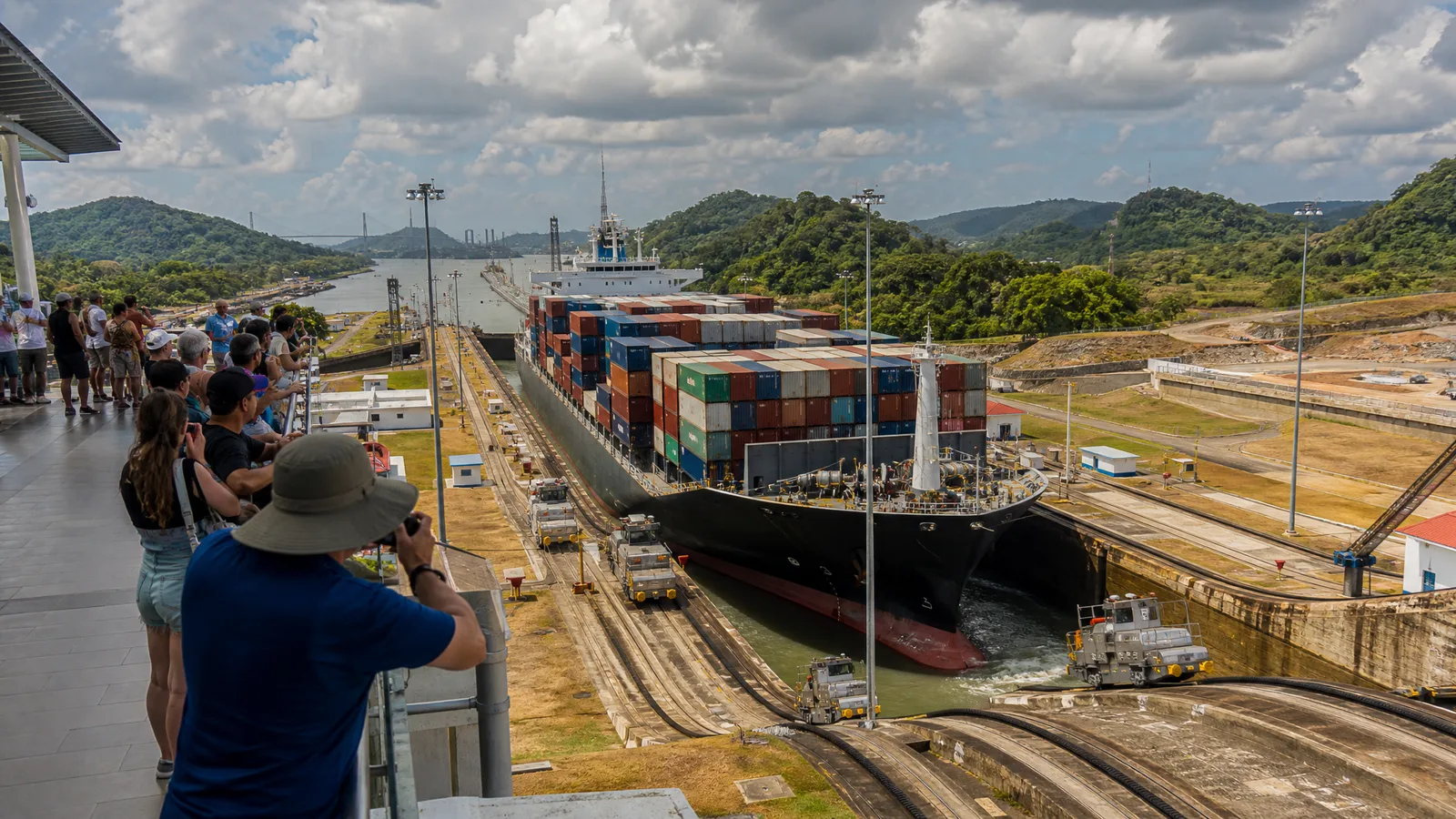 The Panama Canal and Gamboa: engineering and rainforest in one day
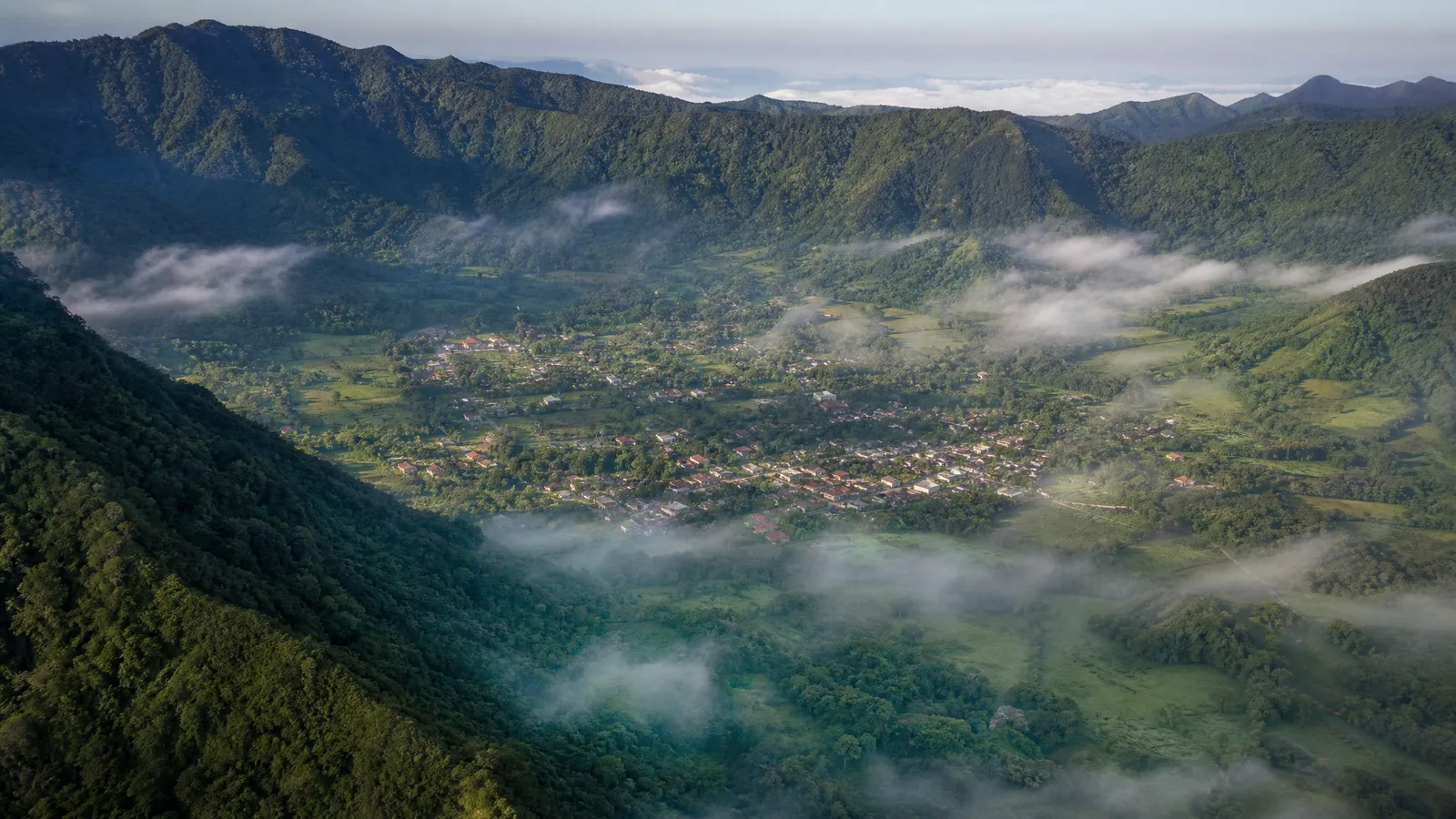 Five day trips from Panama City